
Prisoners in the US are part of a hidden workforce linked to hundreds of popular food brands
ANGOLA, La. (AP) — A hidden path to America’s dinner tables begins here, at an unlikely source – a former Southern slave plantation that is now the country’s largest maximum-security prison.
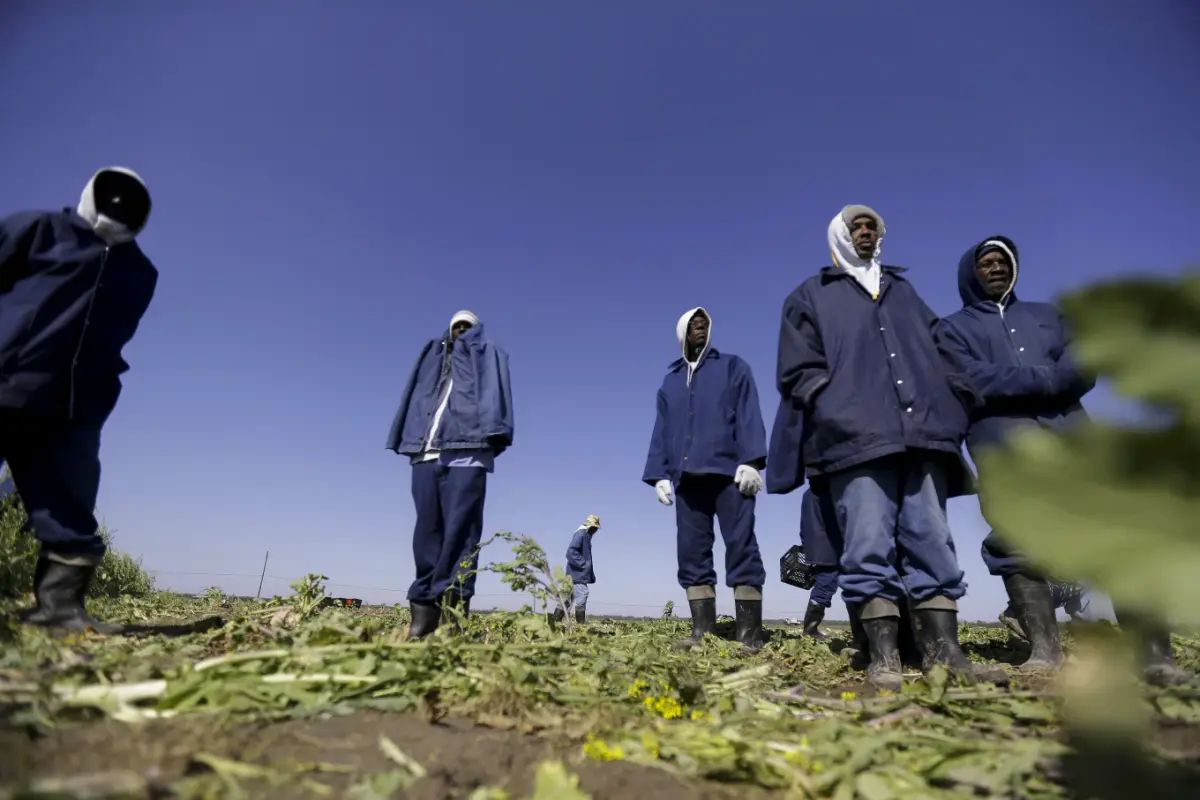
 Prisoners harvest turnips at the Louisiana State Penitentiary, April 15, 2014, in Angola, La.
Unmarked trucks packed with prison-raised cattle roll out of the Louisiana State Penitentiary, where men are sentenced to hard labor and forced to work, for pennies an hour or sometimes nothing at all. After rumbling down a country road to an auction house, the cows are bought by a local rancher and then followed by The Associated Press another 600 miles to a Texas slaughterhouse that feeds into the supply chains of giants like McDonald’s, Walmart and Cargill.
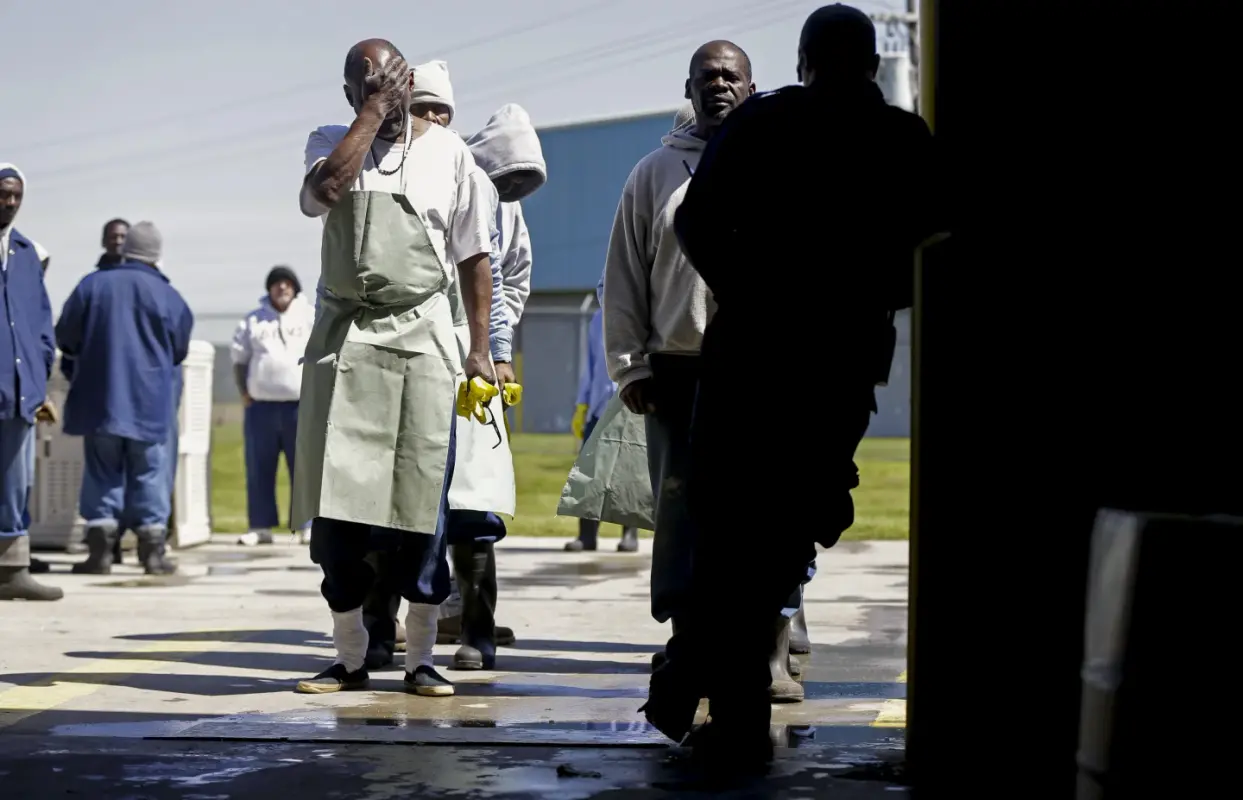
Prisoners line up to work inside a vegetable processing plant, April 15, 2014, at the Louisiana State Penitentiary in Angola, La.
Intricate, invisible webs, just like this one, link some of the world’s largest food companies and most popular brands to jobs performed by U.S. prisoners nationwide, according to a sweeping two-year AP investigation into prison labor that tied hundreds of millions of dollars’ worth of agricultural products to goods sold on the open market.

They are among America’s most vulnerable laborers. If they refuse to work, some can jeopardize their chances of parole or face punishment like being sent to solitary confinement. They also are often excluded from protections guaranteed to almost all other full-time workers, even when they are seriously injured or killed on the job.
The goods these prisoners produce wind up in the supply chains of a dizzying array of products found in most American kitchens, from Frosted Flakes cereal and Ball Park hot dogs to Gold Medal flour, Coca-Cola and Riceland rice. They are on the shelves of virtually every supermarket in the country, including Kroger, Target, Aldi and Whole Foods. And some goods are exported, including to countries that have had products blocked from entering the U.S. for using forced or prison labor.
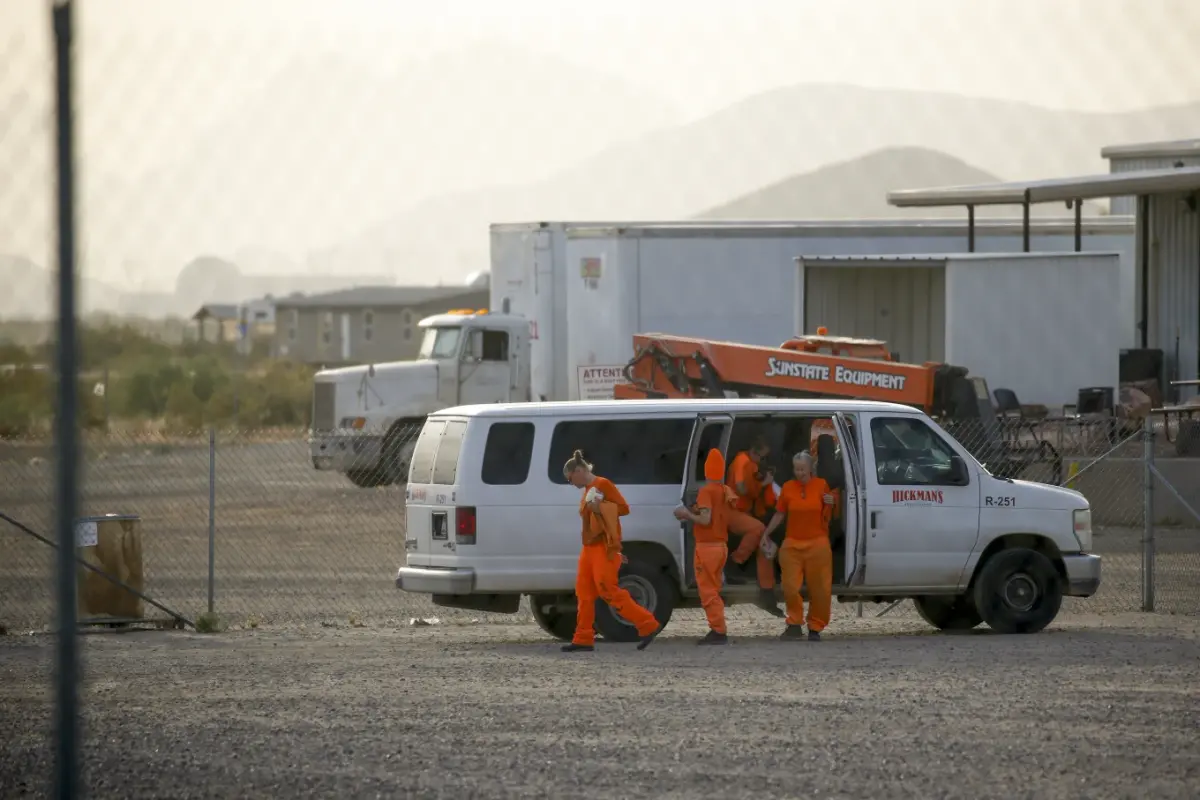
Prisoners serving time at the Arizona State Prison Complex – Perryville arrive at the gates of a Hickman’s Family Farms egg ranch, Wednesday, April 19, 2023, in Arlington, Arizona.
Many of the companies buying directly from prisons are violating their own policies against the use of such labor. But it’s completely legal, dating back largely to the need for labor to help rebuild the South’s shattered economy after the Civil War. Enshrined in the Constitution by the 13th Amendment, slavery and involuntary servitude are banned – except as punishment for a crime.
That clause is currently being challenged on the federal level, and efforts to remove similar language from state constitutions are expected to reach the ballot in about a dozen states this year.
Some prisoners work on the same plantation soil where slaves harvested cotton, tobacco and sugarcane more than 150 years ago, with some present-day images looking eerily similar to the past. In Louisiana, which has one of the country’s highest incarceration rates, men working on the “farm line” still stoop over crops stretching far into the distance.
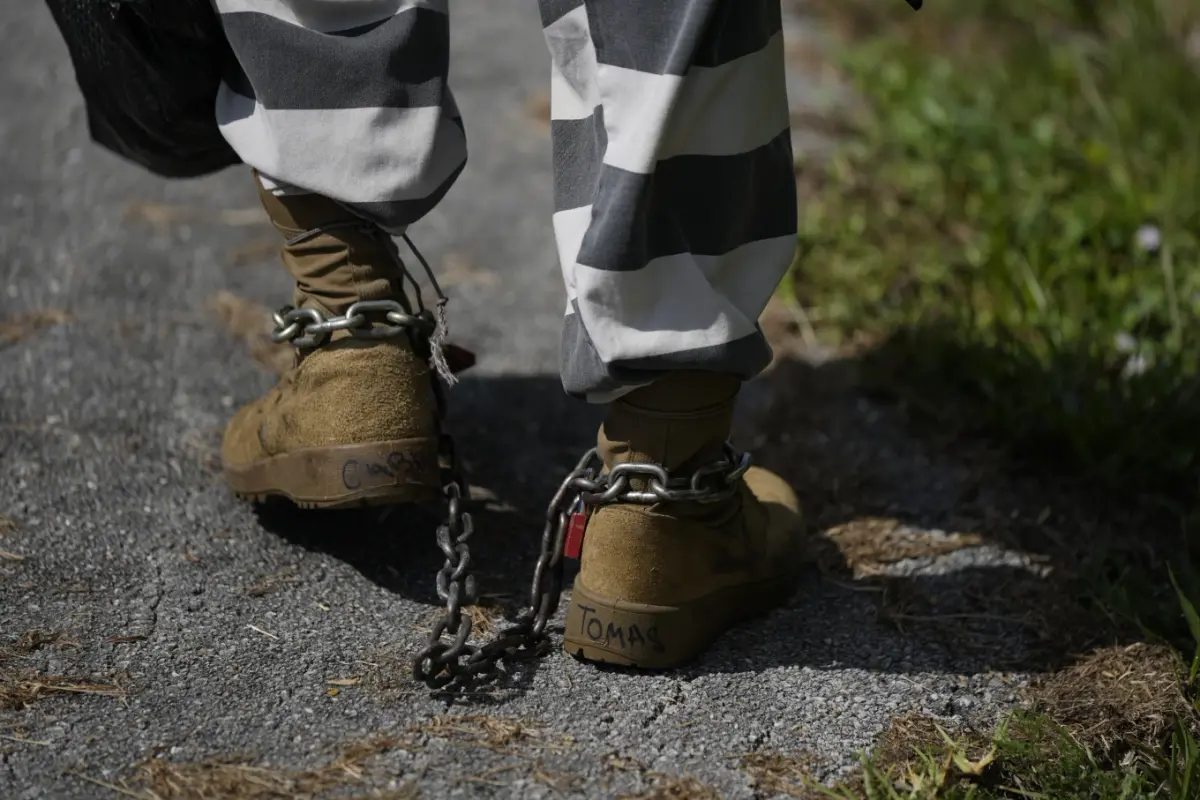
Members of Brevard County’s chain gang, prisoners convicted of non-violent misdemeanors, wear chains around their ankles as they pick up trash along a roadside, Thursday, Sept. 14, 2023, in Titusville, Fla.
Calvin Thomas, who spent more than 17 years at Angola, said anyone who refused to work, didn’t produce enough or just stepped outside the long straight rows knew there would be consequences.
“If he shoots the gun in the air because you done passed that line, that means you’re going to get locked up and you’re going to have to pay for that bullet that he shot,” said Thomas, adding that some days were so blistering hot the guards’ horses would collapse.
You can’t call it anything else. It’s just slavery.”
– Calvin Thomas
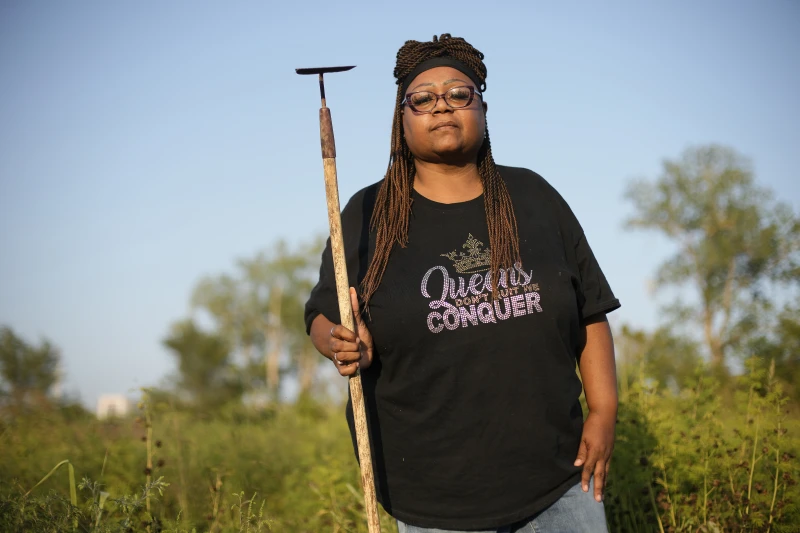
Faye Jacobs holds a hoe as she recalls her time working on an Arkansas prison farm, Monday, Sept. 18, 2023, in Kansas City, Mo.
“I was in a field with a hoe in my hand with maybe like a hundred other women. We were standing in a line very closely together, and we had to raise our hoes up at the exact same time and count ‘One, two, three, chop!’” said Faye Jacobs, who worked on prison farms in Arkansas.
Jacobs, who was released in 2018 after more than 26 years, said the only pay she received was two rolls of toilet paper a week, toothpaste and a few menstrual pads each month… More @ AP News

Katell Laennec: There is Forced Labor — SLAVE PRISONERS in the U.S…. Are you kidding me?

Katell Laennec Graphic Nude And Sex Scenes From “Malabimba” Enhanced

Believe it or not despite Katell’s unsightly bare breasts, there is a lot of pious Ba’al Worshippers like about these nude and sex scenes… For with her pleasingly androgynous appearance and taut round tush, Katell could easily be imagined to be one of our beloved bacha bazi (dancing boys).



And add to that Katell’s halal hairy musty pubic burka and that she can apparently suck the soul out of a man’s meat scimitar, and she would certainly fetch a nice price when brought to the renowned Damascus slave market… It is hard to say what she would be worth now with inflation, but a bid of a middle aged goat and half gallon of insecticide would not out of the question.



TRASHY | SCANDALOUS
Squirting on the bus


A sign to make it clear for everyone



Getting Her Facial and Proudly Walking it Off































Corn has long been a working-class staple

 Natalie Morales: Cheapskate Walmart slammed after Gifting Employees 55-cent RAMEN for working during Blizzard