Marlene Dietrich: The Bisexual Actress Who Became an Infamous, Androgynous Sex Symbol
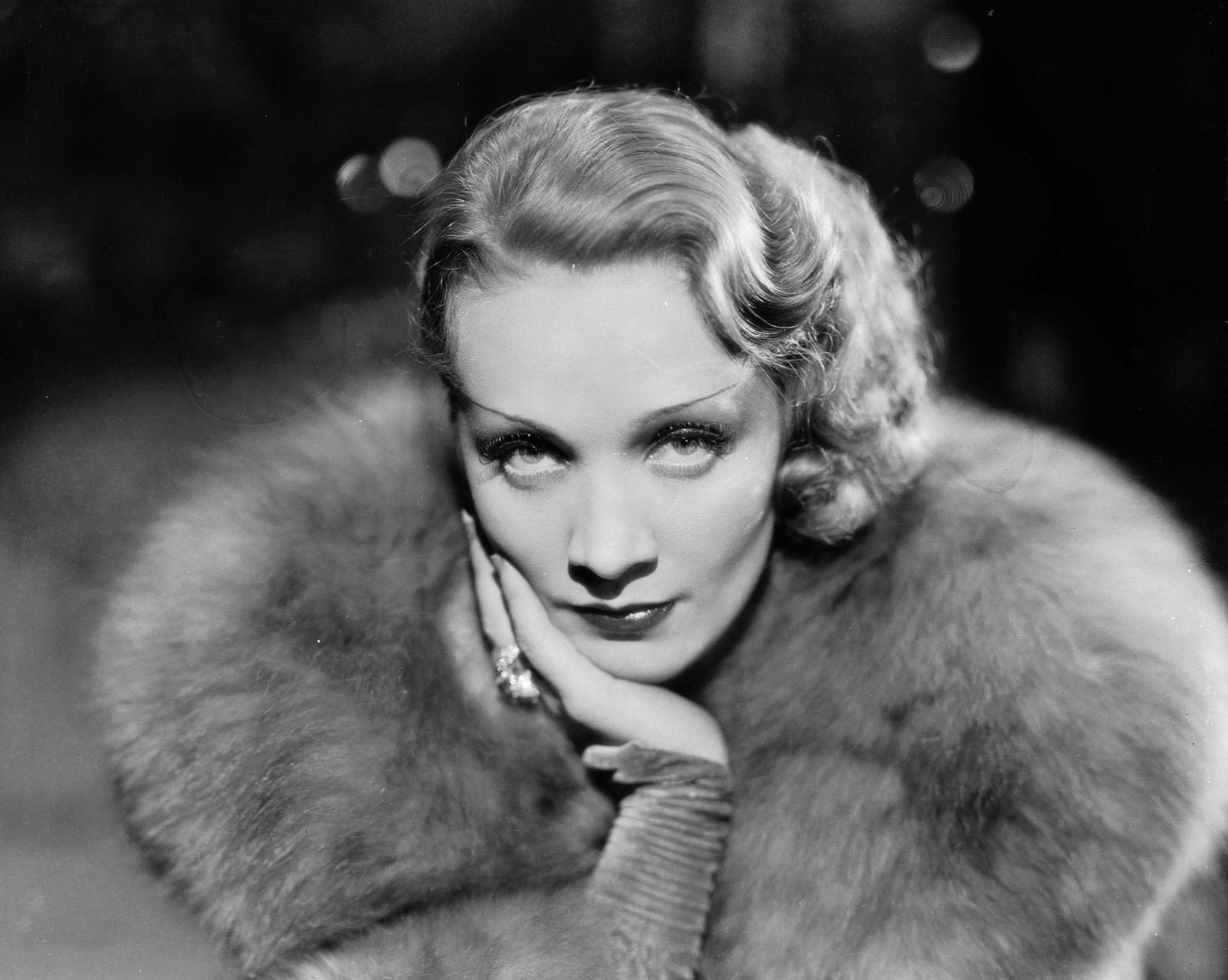
Marlene Dietrich was a German-born, anti-fascist screen siren who still captivates audiences 25 years after her death.

Germans loved her, they hated her. They wanted her, they couldn’t have her. They felt betrayed by the actress, who thwarted Hitler’s professional advances and fled her home country for Hollywood and applied for U.S. citizenship. Born in Berlin, Germany, in 1901, Dietrich lived through both World Wars, but her political agenda came into play during the second. She supported American troops and became one of the first celebrities to raise war bonds, and she used her art for good, details of which can be found, oddly enough, on the CIA website. But she frames her allegiance in an elegantly apparent, almost blasé manner.
“Naturally we were against the Nazis, of course we were,” she says in Marlene. “Does it take such great courage to decide which side to take? No.”
She led an adjacent life to fellow German actress Leni Riefenstahl, yet they basically existed worlds apart (Riefenstahl was a Nazi darling). Dietrich, who refused to side with the Nazi Party, was called “wholly un-German.”



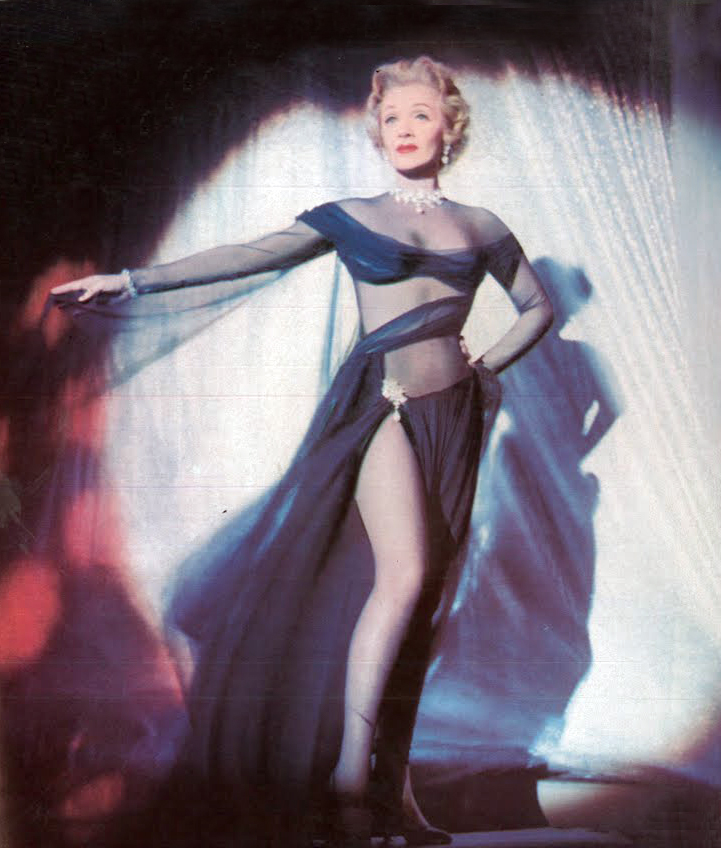


Growing up, Dietrich did most of her acting on stage until her late 20s, when she was discovered by director Josef von Sternberg—her mentor, lover, and “creator”—igniting a creative partnership that would last seven feature films. From May 23 until June 4, New York’s Metrograph theater will celebrate the icon by screening all seven of her von Sternberg collaborations, along with 12 other titles, including her Alfred Hitchcock picture (Stage Fright), her Orson Welles (Touch of Evil), her Fritz Lang (Rancho Notorious), the Dietrich-inspired Lola by Rainer Werner Fassbinder, and Maximilian Schell’s evasive yet revealing Dietrich doc, Marlene. This month also marks 25 years since her death, at the age of 90. It’s as good a time as any to discover, re-discover, and celebrate the one and only Marlene Dietrich.

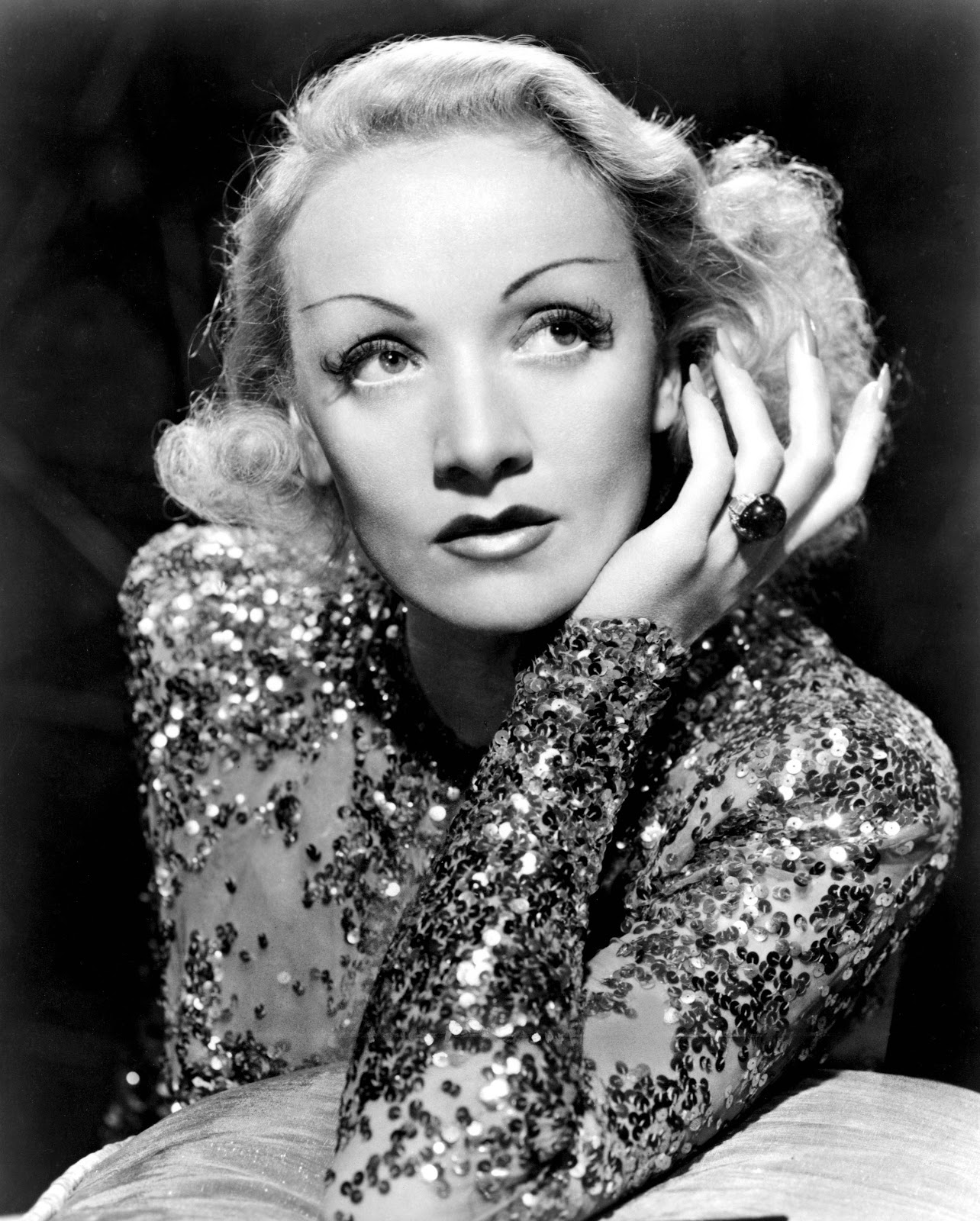
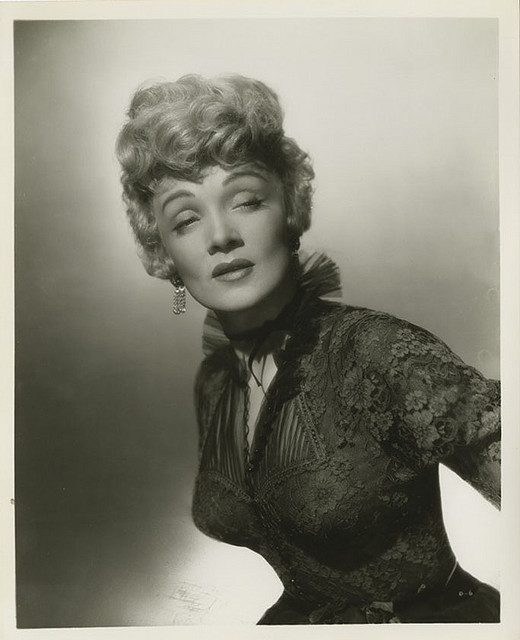
It was while watching the 1984 Marlene documentary that I realized writing about Dietrich would be no easy feat. She was, yes, a complicated and contrarian woman; I found out as much when I first saw von Sternberg’s Blonde Venus (1932). In her first scene, Dietrich gives a look both flirtatious and repulsed as she tells off a group of men, first in German, then in English: “Will you please go away?” She ends up with the very man she shoos, and later goes with the handsome Cary Grant. She plays broke and homeless towards the end of the film, but I’m convinced that no woman has ever looked more glamorous than a broke and homeless Marlene Dietrich, covered in furs and shawls. In every one of her films—even when she’s slightly less refined (Blue Angel, 1930), or slightly older (Touch of Evil, 1958)—Dietrich’s presence is a wonder. Her cheekbones seem to have been sculpted just for cinematic lighting, her eyebrows—thickening throughout her career—always playfully telling, her lips a slight and curious pout, and her deep-set bedroom eyes will have anyone looking into them head-over-heels seduced. She was, yes, born with it, but she was also groomed into icon status by the likes of von Sternberg, who nurtured her ever-growing mysticism and allure.

Despite a prolific career run that frequently pitted her side-by-side with Greta Garbo, Dietrich became a notorious, bed-ridden recluse in her later years, and refused to be filmed for the aforementioned documentary. What would otherwise be considered a handicap in filmmaking lends itself to a ruthlessly revealing and contradictory voiceover from Dietrich over film scenes and various other footage.
 |
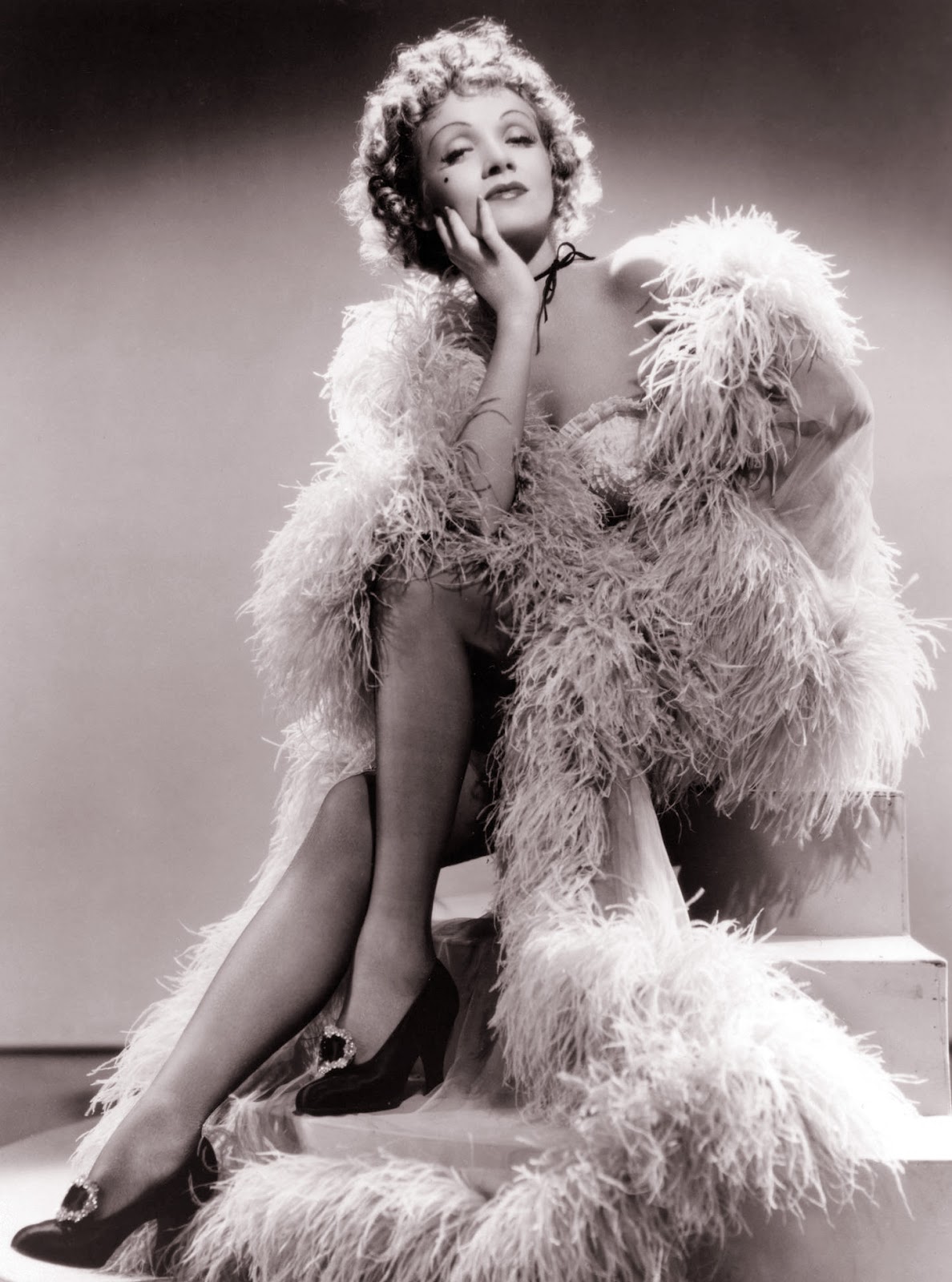
| Marlene Dietrich in Seven Sinners (1940). |
At times, it feels like watching a movie with an unreliable narrator. She gets into everything from her professional to private life, from auditions to her relationship with Ernest Hemingway, which she claims had “nothing erotic or sexual” about it. In fact, despite countless biographies recalling her many affairs (with both men and women) and the open relationship she had with her husband Rudolf Sieber (whom she married in 1923), Dietrich says, “I wasn’t erotic at all!” It would be hard to believe Dietrich lacked sexuality after seeing any one of her films, especially von Sternberg’s Morocco (1930), in which she dons a tuxedo and a top hat and full-on kisses a woman on the lips? It was an unprecedented move for that time period, but this particular scene ranks as one of the top moments that turned her into an elusive, androgynous sex symbol and queen of pantsuits. It also got her an Oscar nomination for Best Actress.
 |
| Marlene Dietrich entertaining front-line soldiers of the Third Army, 1944. |
But perhaps she was most scandalous to Germans, who didn’t know how to feel about Dietrich. They loved her, they hated her. They wanted her, they couldn’t have her. They felt betrayed by the actress, who thwarted Hitler’s professional advances and fled her home country for Hollywood and applied for U.S. citizenship. Born in Berlin, Germany, in 1901, Dietrich lived through both World Wars, but her political agenda came into play during the second. She supported American troops and became one of the first celebrities to raise war bonds, and she used her art for good, details of which can be found, oddly enough, on the CIA website. But she frames her allegiance in an elegantly apparent, almost blasé manner. “Naturally we were against the Nazis, of course we were,” she says in Marlene. “Does it take such great courage to decide which side to take? No.” She led an adjacent life to fellow German actress Leni Riefenstahl, yet they basically existed worlds apart (Riefenstahl was a Nazi darling). Dietrich, who refused to side with the Nazi Party, was called “wholly un-German.”

One of the last things Dietrich says in Marlene is, “I never, ever took my career seriously.” She accredits her stardom to not being interested in the first place—and how that was the quality that made Josef von Sternberg interested in her. But while she embodies this elusory persona in many films, it’s hard to believe she didn’t actually care. Dietrich is a woman who explicitly transformed, and let herself be transformed, for the sake of art: a skill so rare and, yes, serious, that she still captivates audiences nearly 100 years later.
Dietrich in Vegas: She Glittered And Gleamed So!
.jpg)
.png)
.jpg)
.png)
“Lions, tigers, small cats, tall cats
You just name them – I will tame them …
“There is one beast that was never tamed
And that beast … that beast is me!
Many men have tried their chance in vain,
One went nuts – two died in France and Spain …
Do or die, I must discover
My superman, my only lover.
Then I skip my boots and whip
And flip … and flip … and flip
Where is that man?”
.jpg)










 Catherine Chen in Snowfall & Kristy Philipps & Olivia DeJonge in Will