Revealed: Credit Suisse leak unmasks criminals, fraudsters and corrupt politicians
- Massive leak reveals secret owners of $108.88B (£80bn) held in Swiss bank
- Whistleblower leaked bank’s data to expose ‘immoral’ secrecy laws
Clients included human trafficker and billionaire who ordered girlfriend’s murder - Vatican-owned account used to spend $397.13M (€350m) in allegedly fraudulent investment
- Scandal-hit Credit Suisse rejects allegations it may be ‘rogue bank’
Disgraced executives, fraudsters, traffickers – clients
Among the scandalous stars…
Ferdinand and Imelda pillage the Philippines
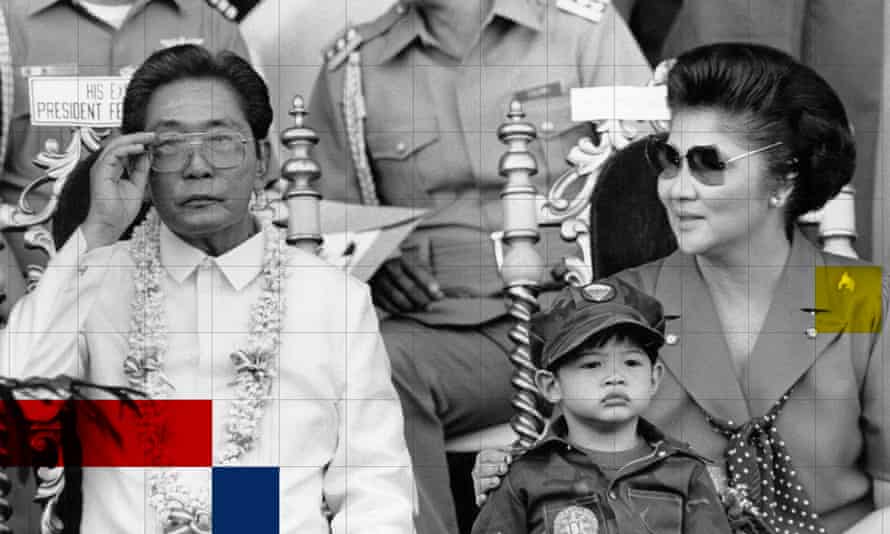
Credit Suisse helped one of the most notorious & corrupt dictator to open Swiss accounts under fake names. Philippines dictator Ferdinand Marcos and his wife, Imelda The couple are estimated to have siphoned as much as $10bn from the Philippines during the three terms Ferdinand was president, which ended in 1986.
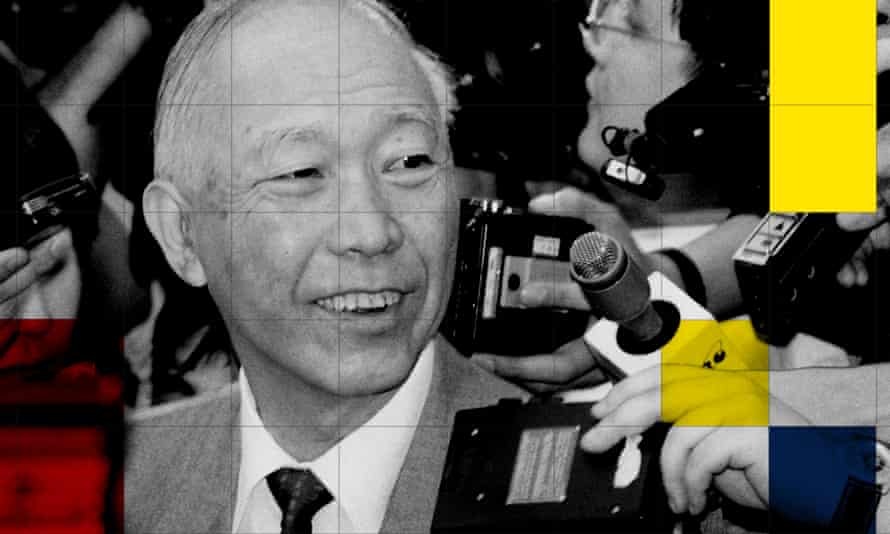
Ronald Li Fook-shiu was known as the ‘godfather of the stock market’. A former chairman of the Hong Kong stock exchange, he was one of the wealthiest people in the city,
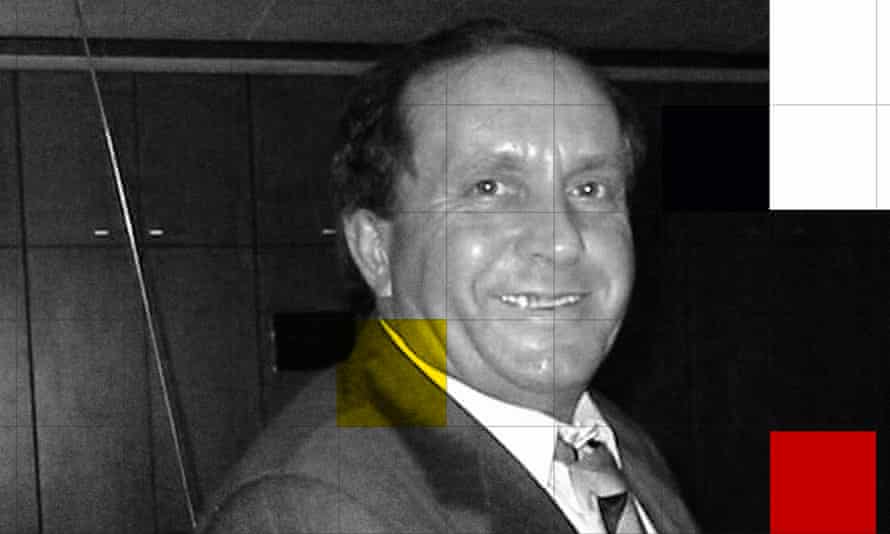
Germany Siemen’s “Prince Nigeria” Eduard Seidel, convicted of bribery in 2008 for industrial-scale bribery to secure lucrative contracts for his employer by funneling cash to corrupt Nigerian politicians.
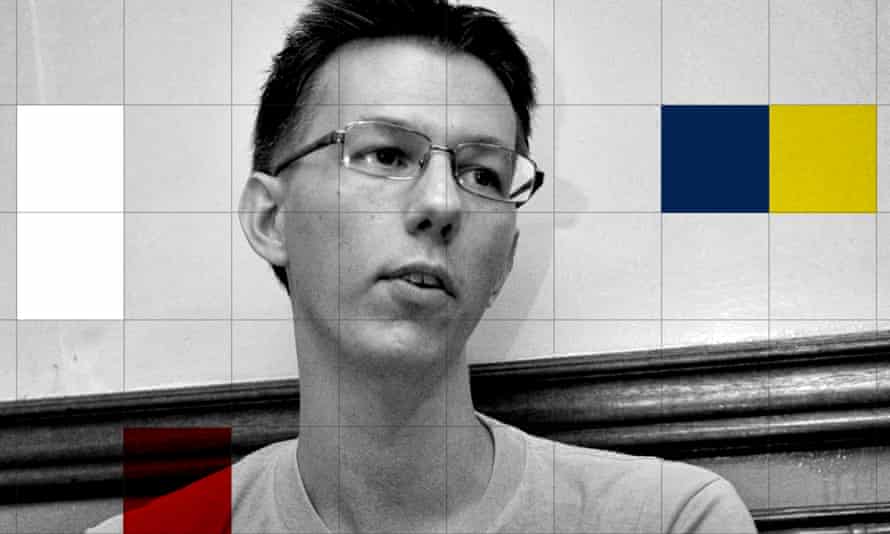
Stefan Sederholm. a Swedish computer technician who opened an account with Credit Suisse in 2008, was able to keep it open for two-and-a-half years after his widely reported conviction for human sex trafficking in the Philippines, for which he was given a life sentence.
A massive leak from one of the world’s biggest private banks, Credit Suisse, has exposed the hidden wealth of clients involved in torture, drug trafficking, money laundering, corruption and other serious crimes.
Details of accounts linked to 30,000 Credit Suisse clients all over the world are contained in the leak, which unmasks the beneficiaries of more than 100bn Swiss francs ($108.88B £80bn)* held in one of Switzerland’s best-known financial institutions.
The leak points to widespread failures of due diligence by Credit Suisse, despite repeated pledges over decades to weed out dubious clients and illicit funds. The Guardian is part of a consortium of media outlets given exclusive access to the data.
We can reveal how Credit Suisse repeatedly either opened or maintained bank accounts for a panoramic array of high-risk clients across the world.
They include a human trafficker in the Philippines, a Hong Kong stock exchange boss jailed for bribery, a billionaire who ordered the murder of his Lebanese pop star girlfriend and executives who looted Venezuela’s state oil company, as well as corrupt politicians from Egypt to Ukraine.
One Vatican-owned account in the data was used to spend €350m ($397.13M £290m) in an allegedly fraudulent investment in London property that is at the center of an ongoing criminal trial of several defendants, including a cardinal.
The huge trove of banking data was leaked by an anonymous whistleblower to the German newspaper Süddeutsche Zeitung. “I believe that Swiss banking secrecy laws are immoral,” the whistleblower source said in a statement. “The pretext of protecting financial privacy is merely a fig leaf covering the shameful role of Swiss banks as collaborators of tax evaders.”
Credit Suisse said that Switzerland’s strict banking secrecy laws prevented it from commenting on claims relating to individual clients.
“Credit Suisse strongly rejects the allegations and inferences about the bank’s purported business practices,” the bank said in a statement, arguing that the matters uncovered by reporters are based on “selective information taken out of context, resulting in tendentious interpretations of the bank’s business conduct.”
The bank also said the allegations were largely historical, in some instances dating back to a time when “laws, practices and expectations of financial institutions were very different from where they are now”.
While some accounts in the data were open as far back as the 1940s, more than two-thirds were opened since 2000. Many of those were still open well into the last decade, and a portion remain open today.
The timing of the leak could hardly be worse for Credit Suisse, which has recently been beset by major scandals. Last month, it lost its chairman, António Horta-Osório, after he twice broke Covid-19 regulations.
That capped an unprecedented year of controversies in which the bank became embroiled in the collapse of the supply chain finance firm Greensill Capital and the US hedge fund Archegos Capital, and was fined £350m over its role in a loan scandal in Mozambique.
This month, Credit Suisse became the first major Swiss bank in the country’s history to face criminal charges – which it denies – relating to allegation it helped launder money from the cocaine trade on behalf of the Bulgarian mafia.
However, the repercussions of the leak could be much broader than one bank, threatening a crisis for Switzerland, which retains one of the world’s most secretive banking laws. Swiss financial institutions manage about 7.9tn CHF ($10.92T £6.3tn) in assets, nearly half of which belongs to foreign clients.
The Suisse secrets project sheds a rare light on one of the world’s largest financial centers, which has grown used to operating in the shadows. It identifies the convicts and money launderers who were able to open bank accounts, or keep them open for years after their crimes emerged. And it reveals how Switzerland’s famed banking secrecy laws helped facilitate the looting of countries in the developing world… More
The Shapeshifter, Alyson Tabbitha
Katrina Bowden: Joe Biden did this to Germans… WW3!

No idea what it means… All we know is the gas price is … Smoking 😈😈






 Margot Robbie: Finnish Cross-country skiier Remi Lindholm suffered a Frozen Penis in the race… Potentially causing Permanent Infertility